
**Teeth whitening** is a subject of increasing interest among individuals who prioritize their oral health and the aesthetic appeal of their smile. Over time, teeth can naturally lose their original shade and develop various degrees of discoloration. Gaining insight into the causes of this phenomenon and the diverse approaches available empowers individuals to make informed decisions.
What is Teeth Whitening?
Teeth whitening encompasses all procedures designed to lighten the color of teeth. It primarily acts on the enamel and dentin, reducing the pigments responsible for discoloration. Contrary to popular belief, teeth whitening does not aim for an artificial white. Instead, it gradually restores a brighter, more uniform shade, closer to the natural color of the teeth.
Why Do Teeth Change Colour?
Several factors can contribute to the yellowing or darkening of teeth:
- Regular consumption of coffee, tea, or colored beverages
- Tobacco, which promotes surface stains
- The natural aging of enamel
- Insufficient Oral Hygiene
- Certain medications or medical treatments
These elements can act independently or in combination, leading to a gradual alteration in tooth colour.
Leading Teeth Whitening Methods
Indeed, several approaches exist for teeth whitening. However, their efficacy and indications vary depending on the specific circumstances.
In-Clinic Teeth Whitening
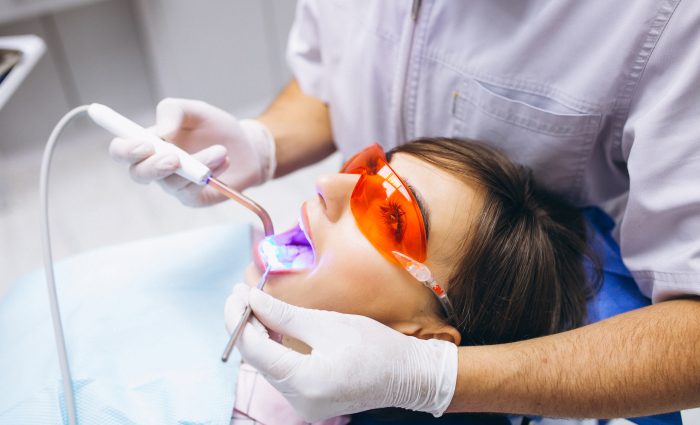
This method relies on the application of specific products under professional supervision. It facilitates a gradual and controlled brightening, while preserving the natural structure of the tooth. A preliminary evaluation is essential to assess the condition of your teeth and gums.
Supervised Home Teeth Whitening
In certain instances, protocols may be administered at home with appropriate supervision. These utilise gels of controlled concentration and necessitate strict adherence to instructions to minimise adverse effects.
Non-Chemical Alternatives
Regular scaling and a robust oral hygiene regimen can sometimes be sufficient to enhance the aesthetic appeal of your smile. While these solutions do not lighten the intrinsic shade of the tooth, they effectively remove deposits responsible for superficial staining.
Precautions to Be Aware Of
Dental whitening is not suitable for all situations. It may lead to temporary sensitivity or be ineffective on certain intrinsic stains. Therefore, professional advice remains essential before considering any procedure. Existing dental restorations (fillings, crowns, veneers) do not change colour and must be taken into account.
Teeth Whitening and Oral Health
When performed under appropriate conditions, teeth whitening does not alter the tooth's structure. However, it must be part of a comprehensive oral health approach, including regular check-ups, proper brushing, and a balanced diet.
Conclusion
Dental whitening offers a solution to enhance the appearance of your smile while respecting your dentition, provided you are well-informed. Understanding the causes of discoloration, the available methods, and the necessary precautions is essential to preserve both the aesthetics and long-term dental health.