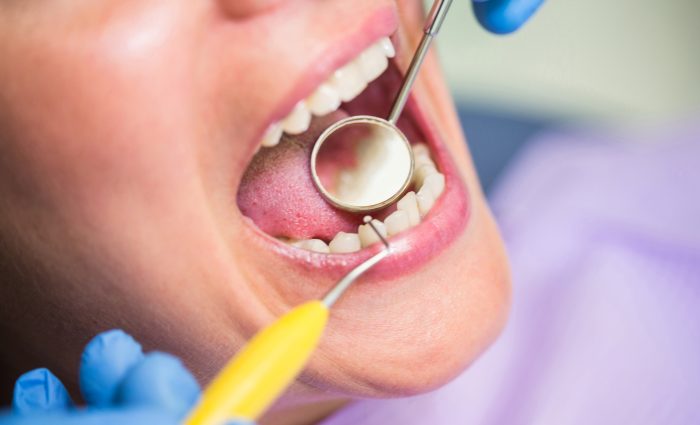

Dental caries, a widespread oral health concern, arises from an imbalance between the oral microbiome and the tooth's inherent protective mechanisms. While frequently linked to childhood, dental caries can manifest at any stage of life and advance asymptomatically if not identified promptly.
The Role of Dental Plaque in Tooth Decay
Dental plaque forms an invisible deposit composed primarily of bacteria, food residues, and saliva. If not regularly removed, it adheres to the surface of the teeth, particularly in hard-to-reach areas.
Progressively, bacteria within plaque convert sugars into acids. These acids attack the enamel, leading to demineralization, which marks the initial stage of tooth decay.
Demineralization and Weakening of Enamel
Enamel is the protective outer layer of the tooth. While exceptionally strong, it can weaken under the repeated assault of acid attacks. When demineralization surpasses the natural remineralization capacity of saliva, a lesion begins to form.
At this stage, tooth decay is often asymptomatic, which explains why it can remain undetected for an extended period.
Progression of Dental Caries in the Tooth
If left unchecked, tooth decay progresses into the dentin, a softer tissue beneath the enamel. This stage may manifest as increased sensitivity to temperature changes or sugary foods.
In advanced stages, decay can reach the dental pulp, where nerves and blood vessels are located. This involvement is typically associated with more intense pain and localized inflammation.
Factors That Increase the Risk of Tooth Decay
Several factors can contribute to the development of dental caries. Among these, the frequency of sugar intake plays a major role, sometimes more significant than the quantity consumed. Furthermore, insufficient salivation can diminish the mouth's natural protective effect.
Furthermore, certain anatomical areas, such as the grooves of molars or interdental spaces, are more susceptible to the development of cavities due due to their limited accessibility for brushing.
Adult Tooth Decay
Contrary to popular belief, dental decay is not exclusive to children. In adults, it can develop around old restorations, on exposed root surfaces, or in areas where enamel has weakened over time.
Aging, certain dietary habits, and physiological changes can also influence the risk of caries.
The Importance of Prevention and Early Detection
Prevention is founded upon consistent and tailored oral hygiene. Regular teeth cleaning effectively limits plaque accumulation and reduces bacterial activity.
Concurrently, early detection allows for the identification of lesions at an initial stage, prior to the onset of symptoms. This approach contributes to the long-term preservation of dental structure.
Conclusion
Dental decay is the result of a progressive process involving biological, dietary, and behavioral factors. A deeper understanding of its mechanisms and risk factors enables the adoption of habits conducive to optimal oral health and limits its progression over time.