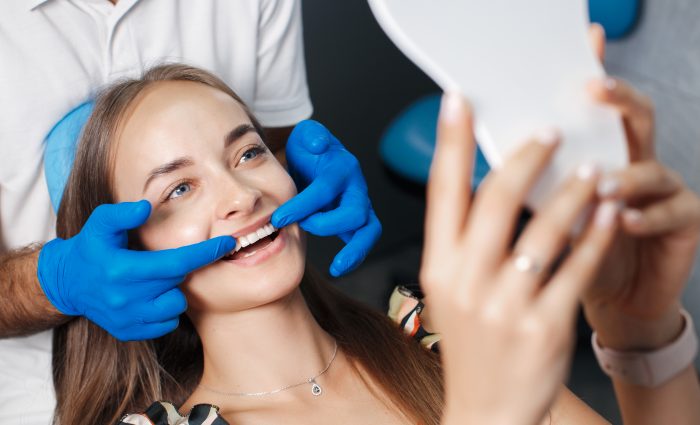

**Teeth whitening** consistently ranks among the most sought-after topics in oral healthcare. Given evolving dietary habits and lifestyles, tooth discoloration has become a prevalent concern. However, prior to considering any whitening procedure, it is paramount to comprehend the natural mechanisms of the tooth, the underlying causes of discoloration, and the limitations inherent in various existing methods.
The Natural Color of Teeth: A Variable Phenomenon
The natural shade of teeth varies from person to person, influenced by factors such as enamel thickness, the underlying dentin color, and genetic predispositions. Consequently, some teeth may naturally appear more yellow or darker, even with excellent oral hygiene practices.
Over time, enamel can also thin, allowing more of the dentin to show through, which influences the overall appearance of the smile.
The Primary Causes of Tooth Discoloration
Tooth discoloration can be broadly categorized into two main types: extrinsic stains and intrinsic discoloration.
On the one hand, superficial stains are often linked to external factors such as:
- The regular consumption of colored beverages,
- Smoking,
- Insufficient Oral Hygiene.
Internal discolorations, on the other hand, may arise from age, certain medical treatments, or dental trauma. These are typically more complex to address.
How Does Teeth Whitening Work?
Tooth whitening relies on the action of substances capable of penetrating the enamel to break down the pigments responsible for discoloration. Gradually, the tooth appears lighter, with no alteration to its structure when performed under appropriate conditions.
It is important to note, however, that teeth whitening does not act uniformly on all teeth. Results may vary depending on the nature of the stains and the overall condition of the dentition.
Limitations of Teeth Whitening
While teeth whitening offers a noticeable brightening effect, it does have certain limitations. Existing restorations such as crowns, veneers, or fillings do not change color. Furthermore, some deep discolorations may be less responsive to conventional procedures.
Furthermore, temporary tooth sensitivity may arise in some cases, underscoring the importance of appropriate guidance.
The Importance of Prevention and Maintenance
Before considering teeth whitening, it is essential to adopt preventive measures. Regular brushing, the use of appropriate products, and periodic check-ups contribute to limiting the appearance of stains.
Furthermore, following a whitening treatment, certain habits, particularly diet and daily oral hygiene, can influence the stability of the results.
Conclusion
Teeth whitening offers a pathway to a brighter smile, provided its principles and limitations are thoroughly understood. Clear information and a considered approach remain paramount to preserving the delicate balance between aesthetic enhancement and optimal oral health.