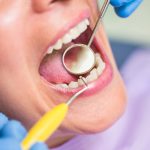

Dental caries, commonly known as tooth decay, represents one of the most widespread oral health conditions, impacting individuals across all age groups. Frequently asymptomatic in its nascent stages, it can progressively advance and culminate in significant complications if not addressed in a timely manner. A thorough comprehension of its underlying mechanisms is paramount for implementing effective practices to preserve optimal dental health.
What is a Dental Cavity?
Dental decay is a progressive deterioration of tooth tissues. It typically begins on the enamel surface before reaching the dentin, and in advanced cases, the dental pulp. This process is linked to the action of bacteria naturally present in the mouth.
These bacteria convert dietary sugars into acids. Gradually, these acids weaken the enamel and promote the formation of cavities.
The Primary Causes of Tooth Decay
Several factors can contribute to the development of tooth decay. Firstly, frequent consumption of sugars promotes bacterial activity. Secondly, insufficient oral hygiene allows dental plaque to accumulate.
Furthermore, the quality of tooth enamel, saliva, and certain dietary habits also play a role. In some individuals, heightened sensitivity may be observed despite maintaining good oral hygiene.
The Various Stages of Tooth Decay
Dental decay typically progresses through stages. Initially, damage to the enamel may go unnoticed. However, as the lesion advances, symptoms may begin to appear.
When the dentin is affected, sensitivity to hot, cold, or sweet may occur. Finally, if the pulp is compromised, more significant pain may arise, indicating a deeper issue.
Why Doesn't Tooth Decay Disappear on Its Own?
Contrary to some misconceptions, a dental cavity cannot repair itself spontaneously. Once the enamel is damaged, the tooth's structure does not regenerate naturally. This is why regular check-ups are essential to detect lesions at an early stage.
The earlier a cavity is identified, the less extensive the necessary interventions will be.
Preventing Tooth Decay Daily
Prevention plays a pivotal role in combating dental decay. Regular and effective brushing eliminates plaque before it becomes harmful. Furthermore, the use of dental floss helps to clean hard-to-reach areas.
Furthermore, a balanced diet, limiting frequent sugar intake, helps reduce the risk of developing cavity-causing bacteria.
The Importance of Oral Health Follow-Up
Regular check-ups enable the early detection of dental decay, which can sometimes be invisible to the naked eye. These routine examinations are instrumental in preserving long-term oral health.
They also enable us to tailor oral hygiene advice to each individual's specific needs.
Conclusion
Dental decay is a common condition that is often preventable. A thorough understanding of its causes, progression, and preventive measures can significantly mitigate its impact on oral health. Consistent attention to hygiene and regular dental check-ups remain essential for maintaining healthy teeth over the long term.